Agenda-setting intelligence, analysis and advice for the global fashion community.
Agenda-setting intelligence, analysis and advice for the global fashion community.


French engineering company Technip Energies has helped build some of the world’s most technically challenging fossil-fuel infrastructure, including platforms to pump natural gas out of Arctic waters and mega-scale oil refineries that transform crude into building blocks for plastics, like fashion industry mainstay polyester. But the company is eyeing new opportunities: over the next decade, it aims to become a leading player in fashion’s efforts to develop textile-to-textile
Please sign in to ensure you can read our agenda-setting intelligence, analysis and advice. Or get in touch at support@businessoffashion.com if you experience difficulties.
Cheap and versatile polyester has underpinned both the fashion industry’s growth and its worsening environmental footprint. Efforts to switch to recycled fibre are stalled, new data show.
The industry needs to ditch its reliance on fossil-fuel-based materials like polyester in order to meet climate targets, according to a new report from Textile Exchange.
Last month, Boss’s runway show in Milan featured a trio of limited-edition jackets made using a new fibre designed to replace polyester. But untangling the industry from a material that has played a central role in its growth will be a tricky business.

Sarah Kent is Chief Sustainability Correspondent at The Business of Fashion. She is based in London and drives BoF's coverage of critical environmental and labour issues.
The Swedish fast-fashion retailer is one of a shrinking number of companies that’s still drawing attention to its emissions goals. Plus, a Shanghai Fashion Week preview.
Textile hubs are already feeling the cascading risks of the conflict in Iran as Washington ramps up forced labour probes to revive tariffs, while decarbonisation in fashion’s factories might finally have a standard to go off of.
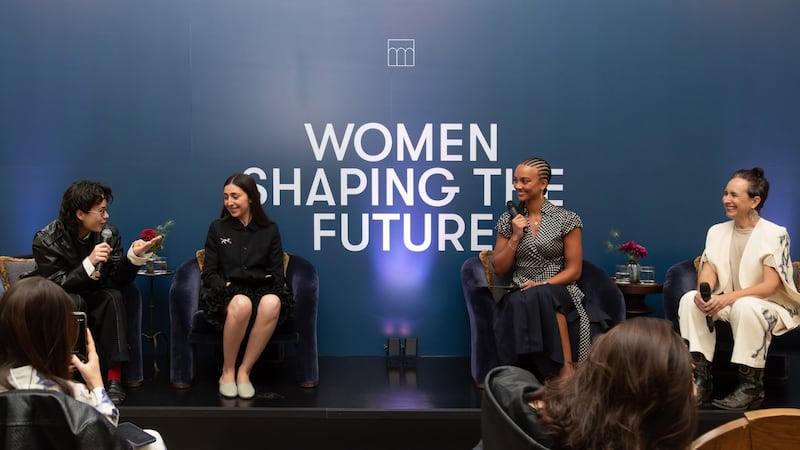
At Soho House Mexico City, Mexican fashion designers Carla Fernández, Bárbara Sánchez-Kane and Camila Banzo joined BoF’s Yasmine Dahlberg to speak candidly about identity, innovation and what it takes to build an independent fashion business in Mexico — as part of both Women’s History Month and the House’s ongoing Women Shaping the Future initiative.
The fast-fashion giant is offering to let smaller labels plug directly into its famed on-demand manufacturing and global logistics network. But is the boost in speed worth the risk of putting operations in a competitor’s hands?
The Swedish fast-fashion retailer is one of a shrinking number of companies that’s still drawing attention to its emissions goals. Plus, a Shanghai Fashion Week preview.
Small fashion labels have always been shortchanged by their wholesale partners. A wave of high-profile bankruptcies has turned a structural injustice into an existential crisis. There is a better way to do business, writes Imran Amed.
Fashion’s enfant terrible is trading exclusivity for the mass market. Is it the ultimate fashion coup, or the final surrender of prestige?
Textile hubs are already feeling the cascading risks of the conflict in Iran as Washington ramps up forced labour probes to revive tariffs, while decarbonisation in fashion’s factories might finally have a standard to go off of.